Morocco in Winter: Weather, Sahara & Best Places to Visit
Morocco in winter offers a different experience from the hot summer months. From December through February, travelers can explore historic cities, the Sahara Desert, Atlantic destinations, and mountain landscapes with generally cooler temperatures.
However, Morocco’s winter weather varies considerably by region. Marrakech may have pleasant afternoons and cool evenings, the Atlas Mountains can receive snow, and Sahara Desert nights can become surprisingly cold.
If you’re considering a winter vacation, this guide explains the weather, best places to visit, what to pack, and how to plan your itinerary.
What Is Morocco Like in Winter?
Winter in Morocco generally runs from December through February.
The experience depends heavily on where you travel. Coastal cities tend to have milder conditions, inland destinations can have larger differences between daytime and nighttime temperatures, and mountain areas are considerably colder.
For this reason, travelers visiting several regions should pack layers rather than planning for one type of weather.
Morocco Weather in Winter
There is no single temperature that represents the entire country.
In Marrakech, winter afternoons can feel comfortable when the sun is out, while mornings and evenings are cooler.
Fes can feel colder, particularly early and late in the day.
Along the Atlantic coast, destinations such as Essaouira generally experience milder maritime conditions, although wind and rain are possible.
The Atlas Mountains can experience freezing conditions and snowfall at higher elevations.
Always check a current forecast shortly before traveling, particularly if your itinerary crosses mountain passes.
Morocco in December
Morocco in December can be a good option for travelers interested in city sightseeing and desert trips without peak summer heat.
Marrakech, Fes, Rabat, and other cities can be explored during cooler daytime conditions. However, evenings require warmer clothing.
December is also a popular holiday travel period, so booking accommodations and desert camps earlier can be useful if you’re traveling around Christmas or New Year.
Morocco in January
January is typically among the colder periods of the Moroccan winter.
Travelers should be prepared for chilly mornings and nights, particularly in Fes, mountain regions, and the Sahara.
The advantage is that daytime sightseeing can be more comfortable than during the hottest months.
If your itinerary includes the High Atlas, weather and road conditions should be checked before departure.
Morocco in February
By February, conditions can begin moving gradually toward spring, although winter weather is still possible.
It can be an attractive month for travelers interested in combining Marrakech, Fes, the Sahara, and southern Morocco.
Packing warm layers remains important, especially for early mornings, evenings, and desert nights.
Marrakech in Winter
Marrakech is one of the most popular destinations for a Morocco winter vacation.
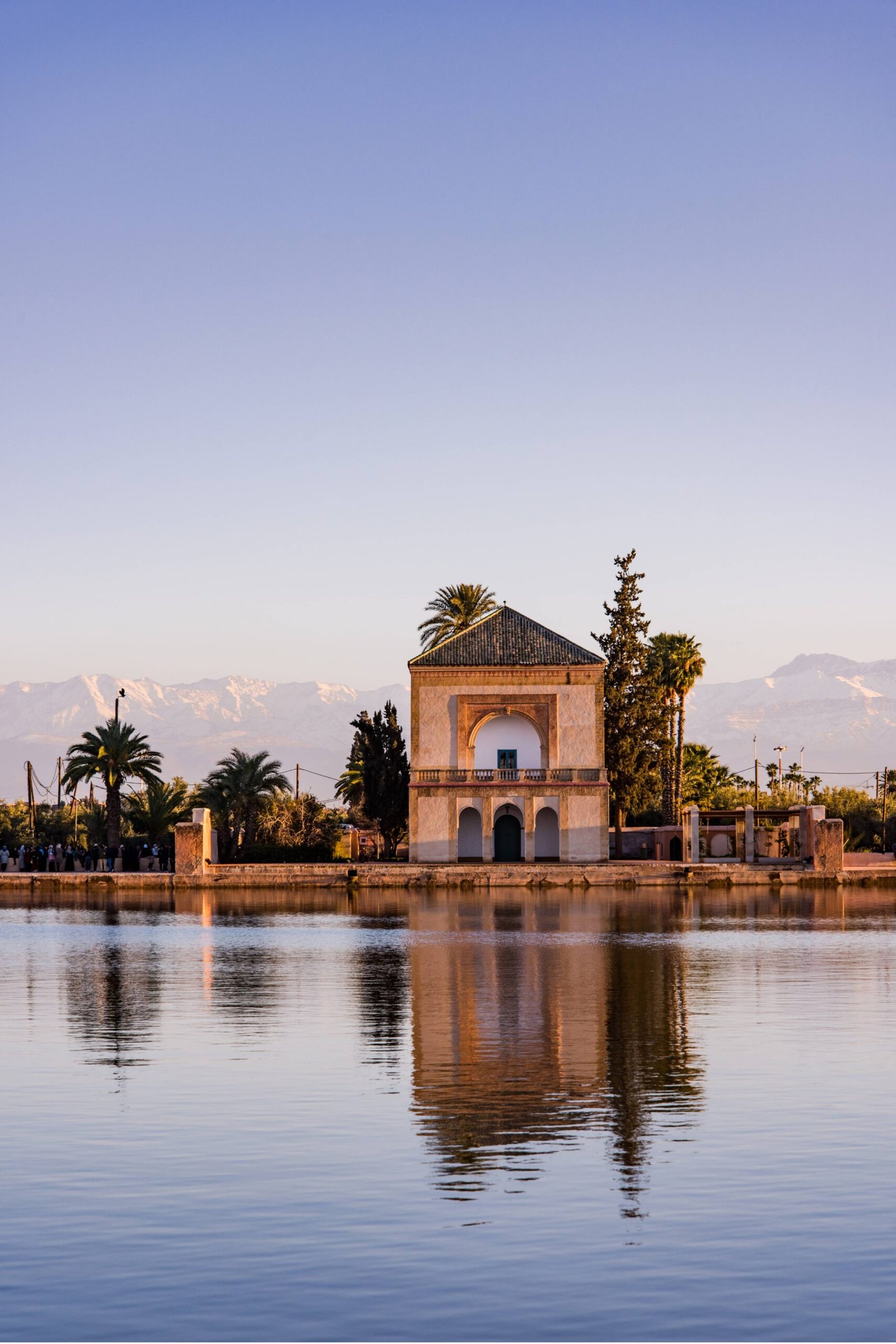
Visitors can explore Jemaa el-Fna, the medina, palaces, gardens, souks, and restaurants without the intense heat associated with summer.
A jacket or warm layer is still useful after sunset.
Marrakech is also a convenient starting point for winter journeys through the Atlas Mountains toward southern Morocco and the Sahara.
Sahara Desert in Winter
Winter is an interesting season for exploring Morocco’s Sahara region.
Daytime conditions can be pleasant for activities such as visiting the dunes and exploring the surrounding area. However, once the sun disappears, temperatures can fall significantly.
If you’re spending a night in a desert camp near Merzouga, bring warm clothing.
A typical route from Marrakech can include:
Marrakech → High Atlas Mountains → Ait Ben Haddou → Dades Valley → Todra Gorge → Merzouga Sahara
Travelers can return to Marrakech or continue toward Fes.
Does It Snow in Morocco?
Yes. Snow occurs in parts of Morocco, particularly at higher elevations in the Atlas Mountains.
Winter mountain landscapes can be beautiful, but snow can also affect roads and travel times.
If you’re taking a private tour through mountain regions, the route may occasionally need to be adjusted according to current conditions.
Best Places to Visit in Morocco in Winter
Several destinations work well in a winter itinerary.
Marrakech
Excellent for history, food, architecture, shopping, and day trips.
Merzouga
A popular choice for travelers who want to experience the Sahara without summer’s extreme daytime heat.
Fes
Winter is suitable for exploring the historic medina, although visitors should prepare for cooler conditions.
Essaouira
The Atlantic city offers a completely different atmosphere from inland Morocco and can be combined easily with Marrakech.
Dades Valley and Ouarzazate
These destinations fit naturally into a road trip between Marrakech and the Sahara.
Southern Morocco
Areas farther south can be particularly interesting during winter when summer temperatures are less intense.
What to Wear in Morocco in Winter
Packing for Morocco in winter is mostly about layers.
Consider bringing:
- Light clothing for warmer afternoons
- Sweaters or fleece
- A warm jacket
- Comfortable walking shoes
- Long trousers
- Scarf
- Rain protection
- Warmer clothing for the Sahara and mountains
If you are spending a night in the desert, don’t assume that the Sahara is always hot. Winter nights can feel very cold.
Is the Sahara Desert Too Cold in Winter?
Not necessarily, but you should prepare properly.
Many travelers enjoy visiting the Sahara during winter because daytime temperatures are generally more comfortable than during summer.
The main difference is nighttime.
Bring warm layers for sunset, dinner, early morning, and sunrise activities.
Is Morocco in Winter Good for Families?
Winter can work well for families, particularly when the itinerary is planned at a comfortable pace.
Families traveling with young children may want to avoid excessively long driving days and select accommodations with suitable heating.
A private itinerary also makes it easier to adjust stops and departure times around the family’s needs.
How Many Days Do You Need?
For a short winter vacation, 5–7 days can work well for Marrakech plus nearby destinations or a focused Sahara itinerary.
With 10 days, travelers can combine more of the country, for example:
Casablanca → Rabat → Chefchaouen → Fes → Merzouga → Dades Valley → Marrakech
With around 14 days, the itinerary can move at a slower pace and include additional coastal or mountain destinations.
Is Winter a Good Time to Visit Morocco?
It can be, particularly for travelers who prefer cooler sightseeing conditions and want to avoid the strongest summer heat.
However, the ideal season depends on your itinerary. Winter visitors need to prepare for cold nights, possible rain, and changing mountain conditions.
Checking forecasts for each destination before and during the trip is important.
Plan a Private Morocco Winter Tour
Exploring Morocco in winter can combine imperial cities, mountain scenery, historic kasbahs, traditional villages, and the Sahara Desert.
Morocco Family Tours can customize private winter itineraries starting from Casablanca, Marrakech, Fes, or Tangier, with routes adapted to your travel dates and interests.
Send us your travel dates, number of travelers, arrival city, and number of days, and we can create a personalized itinerary and quotation.
Frequently Asked Questions
Is Morocco warm in winter?
It depends on the region and time of day. Some destinations can have pleasant sunny afternoons, while mornings and nights may be cold. Mountain regions are significantly colder.
Is Marrakech warm in December?
Marrakech can have comfortable daytime conditions in December, but evenings and mornings are cooler. Weather varies, so travelers should check forecasts close to their trip.
Can you visit the Sahara in December?
Yes. Winter is a popular period for Sahara trips, but travelers should pack warm clothing for cold desert nights.
Does Morocco get snow?
Yes. Higher areas of the Atlas Mountains can receive snow during winter.
What are the winter months in Morocco?
December, January, and February are generally considered the main winter months.
For more official travel information and inspiration, visit the Morocco National Tourism Office to help plan your trip.