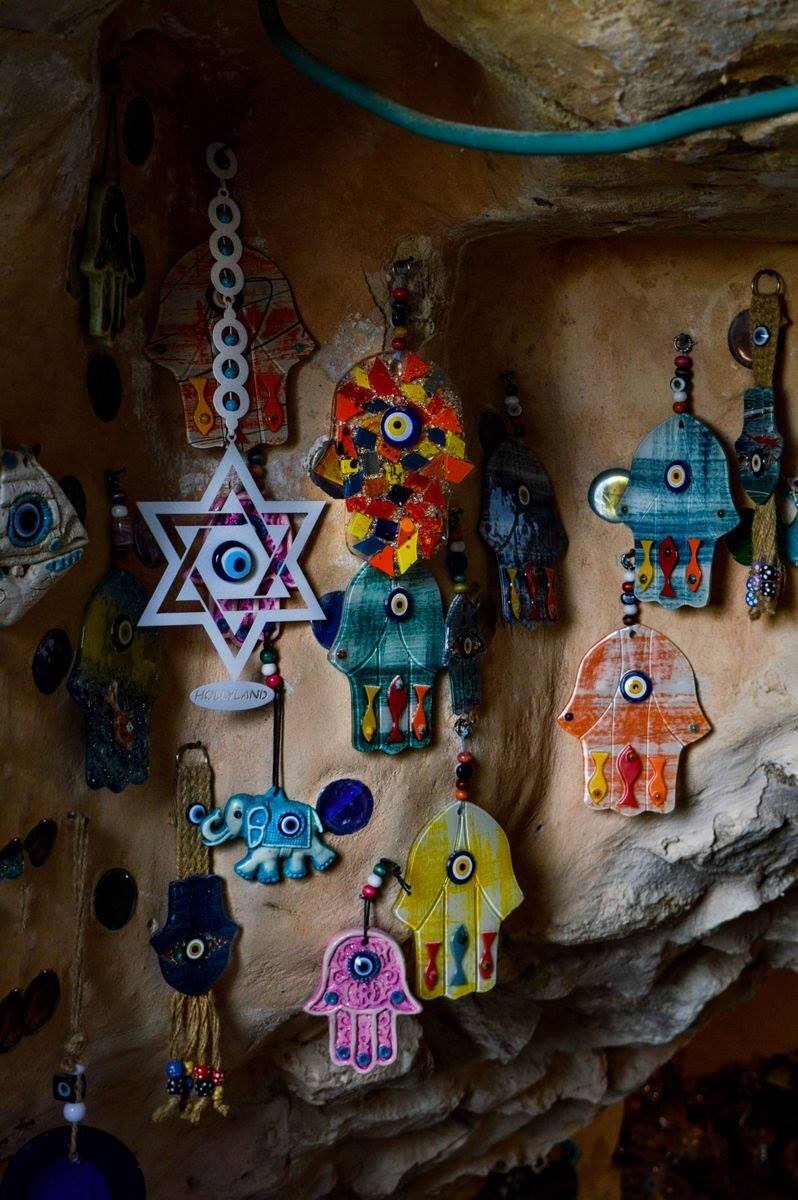
Hamsa
Hamsa (Hand of Fatima): The Complete Guide to Morocco’s Most Powerful Protective Symbol
Introduction
The Hamsa, also known as the Hand of Fatima, is one of the most recognised symbols in Morocco and across North Africa. Travellers visiting Morocco often notice the Hamsa displayed on doors, homes, jewellery, riads, markets, mosques, and traditional handicrafts. This ancient symbol is believed to offer protection against negative energy, jealousy, and the evil eye while bringing luck, blessings, peace, prosperity, and happiness.
Whether you are planning a Morocco tour, shopping in the souks of Marrakech, exploring the medinas of Fes, or discovering Berber culture in the Sahara Desert, understanding the meaning of the Hamsa will enrich your cultural experience.
What Is the Hamsa?
The Hamsa is a palm-shaped symbol featuring five fingers. The word “Hamsa” comes from the Arabic word Khamsa, meaning “five.” The symbol has been used for centuries throughout North Africa and the Middle East.
In Morocco, the Hamsa is commonly called:
- Hand of Fatima
- Khamsa
- Fatima Hand
- Moroccan Hamsa
- Protective Hand
- Lucky Hand
- Palm of Fatima
- Five Fingers Symbol
The symbol is associated with protection, faith, strength, patience, wisdom, and divine blessings.
The History of the Hamsa
The Hamsa predates modern religions and has roots in ancient Mediterranean civilizations. Over time, it became connected with Islamic traditions through Fatima Zahra, daughter of the Prophet Muhammad.
Today, the Hamsa is widely respected throughout:
- Morocco
- Algeria
- Tunisia
- Egypt
- Jordan
- Israel
- Lebanon
- Turkey
- Spain
In Morocco, the symbol became deeply integrated into Berber traditions, Islamic culture, architecture, and craftsmanship.
Symbolism of the Hand of Fatima
The Hamsa represents many positive meanings:
Protection
The most common meaning is protection against the evil eye.
Good Luck
Many Moroccans believe the Hamsa attracts positive energy and fortune.
Peace
The open hand symbolizes peace, acceptance, and harmony.
Strength
The symbol represents resilience and inner strength.
Blessings
Many people display the Hamsa to invite divine blessings into their lives.
Fertility
Historically, the symbol was associated with fertility and family prosperity.
The Hamsa and the Evil Eye
One of the strongest associations of the Hamsa is protection from the evil eye.
The evil eye is a belief that envy, jealousy, or negative thoughts can bring bad luck or misfortune.
The Hamsa is believed to:
- Deflect negative energy
- Block harmful intentions
- Promote spiritual protection
- Create positive energy
- Bring emotional balance
This belief remains popular throughout Morocco today.
Hamsa in Moroccan Culture
The Hamsa appears throughout Moroccan daily life.
Visitors can find Hamsa symbols in:
Moroccan Homes
Many homes display Hamsa decorations above entrances.
Riads
Traditional riads often include Hamsa motifs in architecture and interior design.
Jewelry
Popular jewelry includes:
- Hamsa necklaces
- Hamsa bracelets
- Hamsa earrings
- Silver Hamsa pendants
- Gold Hamsa jewelry
Souks
Moroccan markets sell handmade Hamsa crafts created by local artisans.
Traditional Art
The Hamsa appears in:
- Zellige tilework
- Wood carvings
- Leather goods
- Pottery
- Carpets
- Textiles
Hamsa Jewelry in Morocco
Shopping for Hamsa jewelry is one of the most popular cultural experiences in Morocco.
Common designs include:
- Silver Hamsa pendant
- Gold Hand of Fatima necklace
- Berber Hamsa jewelry
- Gemstone Hamsa bracelet
- Turquoise Hamsa necklace
- Artisan-crafted Hamsa earrings
Many travelers purchase Hamsa jewelry as a meaningful souvenir from Morocco.
Where to Buy a Hamsa in Morocco
Some of the best places include:
Marrakech Medina
The bustling souks offer countless handmade Hamsa products.
Fes Medina
Known for traditional craftsmanship and authentic artisan workshops.
Essaouira
A coastal city famous for silver jewelry and artistic creations.
Chefchaouen
The Blue City offers beautiful handcrafted Hamsa souvenirs.
Casablanca
Modern shopping centers and traditional markets both feature Hamsa designs.
Hamsa in Berber Traditions
Berber communities have used protective symbols for centuries.
The Hamsa is commonly incorporated into:
- Berber jewelry
- Tribal art
- Desert decorations
- Traditional clothing
- Wedding gifts
- Home protection symbols
These traditions remain visible throughout the Atlas Mountains and Sahara Desert regions.
Why Travelers Love the Hamsa
Visitors are attracted to the Hamsa because it represents:
- Moroccan culture
- Spiritual protection
- Authentic craftsmanship
- Traditional symbolism
- Meaningful souvenirs
- Beautiful design
- Cultural heritage
- Positive energy
For many travelers, purchasing a Hamsa becomes one of the most memorable experiences during a Morocco vacation.
Frequently Asked Questions
What does the Hamsa mean?
The Hamsa symbolizes protection, blessings, peace, strength, good fortune, and defense against negative energy.
Is the Hamsa Islamic?
The Hamsa is widely associated with Islamic culture through Fatima Zahra, but its origins are older than Islam.
Why is it called the Hand of Fatima?
It refers to Fatima Zahra, daughter of the Prophet Muhammad, who is admired for faith, patience, and devotion.
What does the eye inside the Hamsa represent?
The eye is believed to protect against the evil eye and harmful intentions.
Is the Hamsa popular in Morocco?
Yes. It is one of Morocco’s most recognizable cultural and spiritual symbols.
Can tourists buy authentic Hamsa jewelry in Morocco?
Absolutely. Marrakech, Fes, Chefchaouen, Essaouira, and Casablanca offer excellent artisan-made Hamsa products.
Is the Hamsa a good souvenir from Morocco?
Yes. Many travelers choose a Hamsa as a meaningful reminder of Moroccan culture and traditions.
Where can I see Hamsa symbols in Morocco?
You will find them in homes, riads, markets, jewelry shops, artisan workshops, traditional crafts, and cultural sites throughout Morocco.
Learn More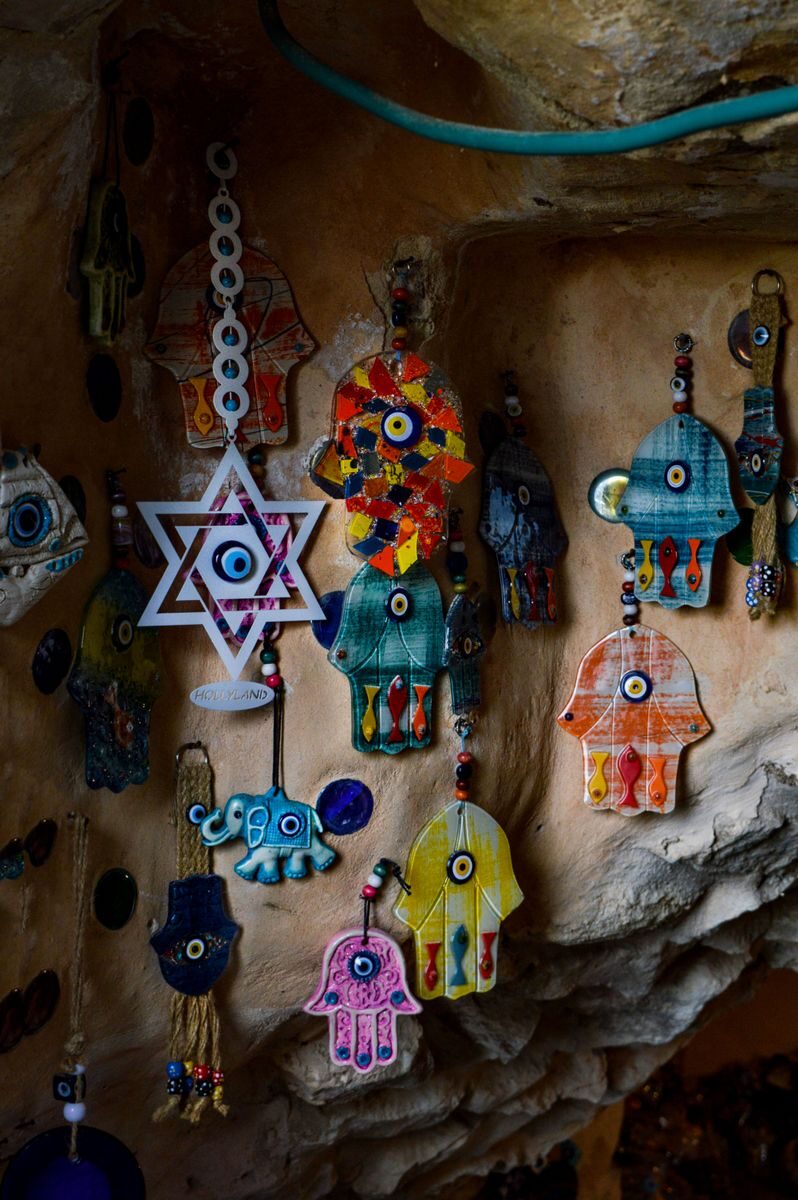 Gallery




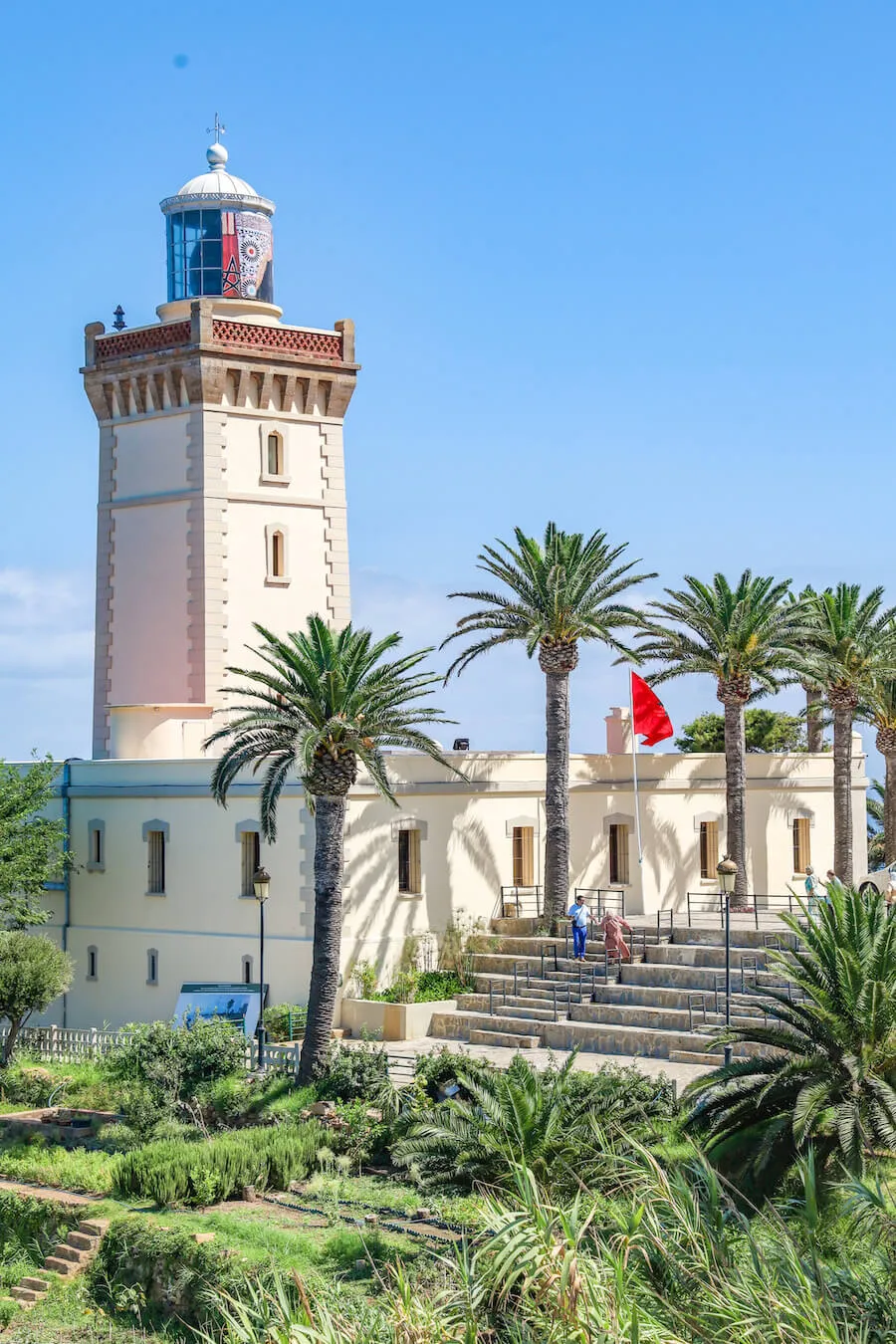
Tours from Tangier
4 toursView all tours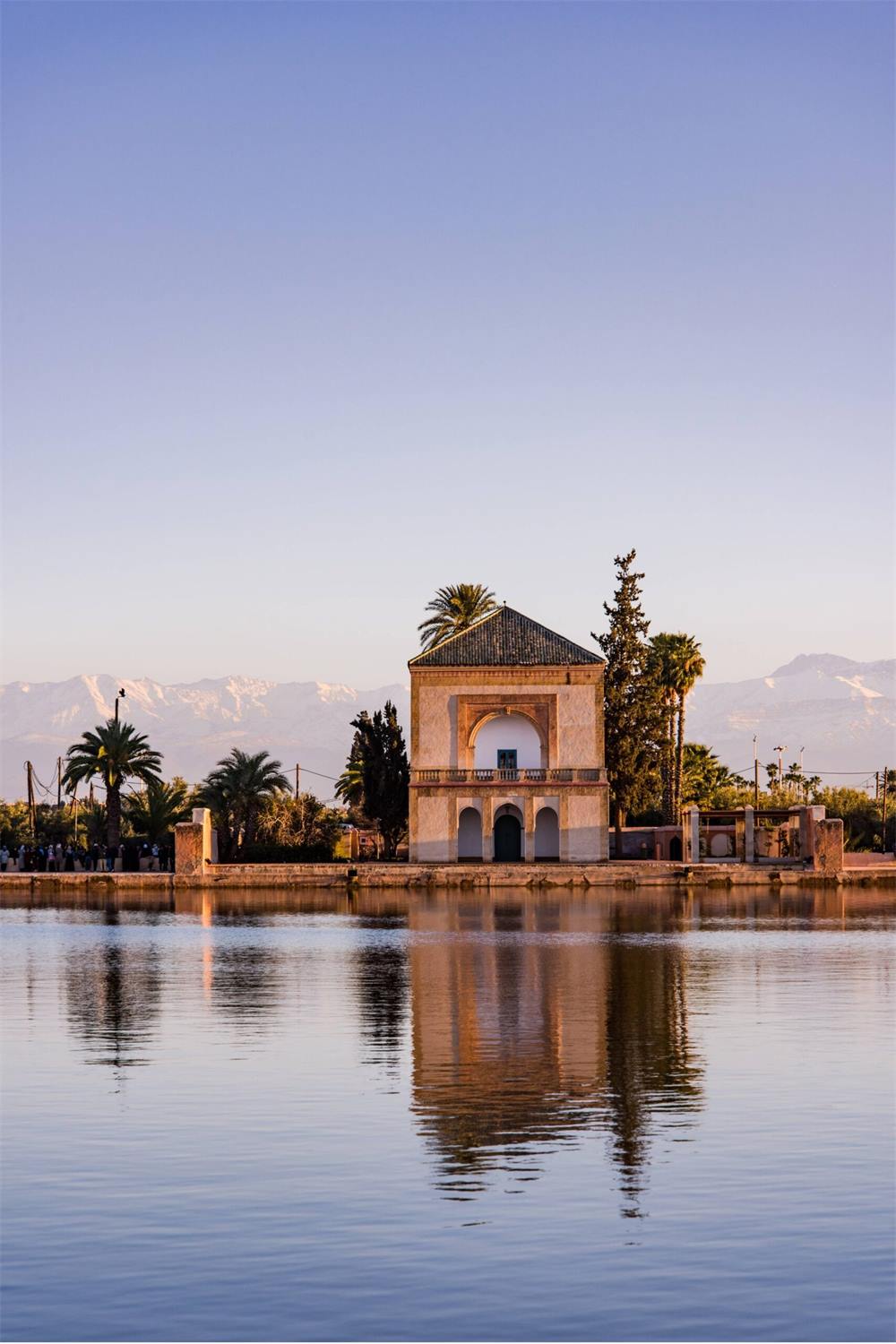
Tours from Marrakech
9 toursView all tours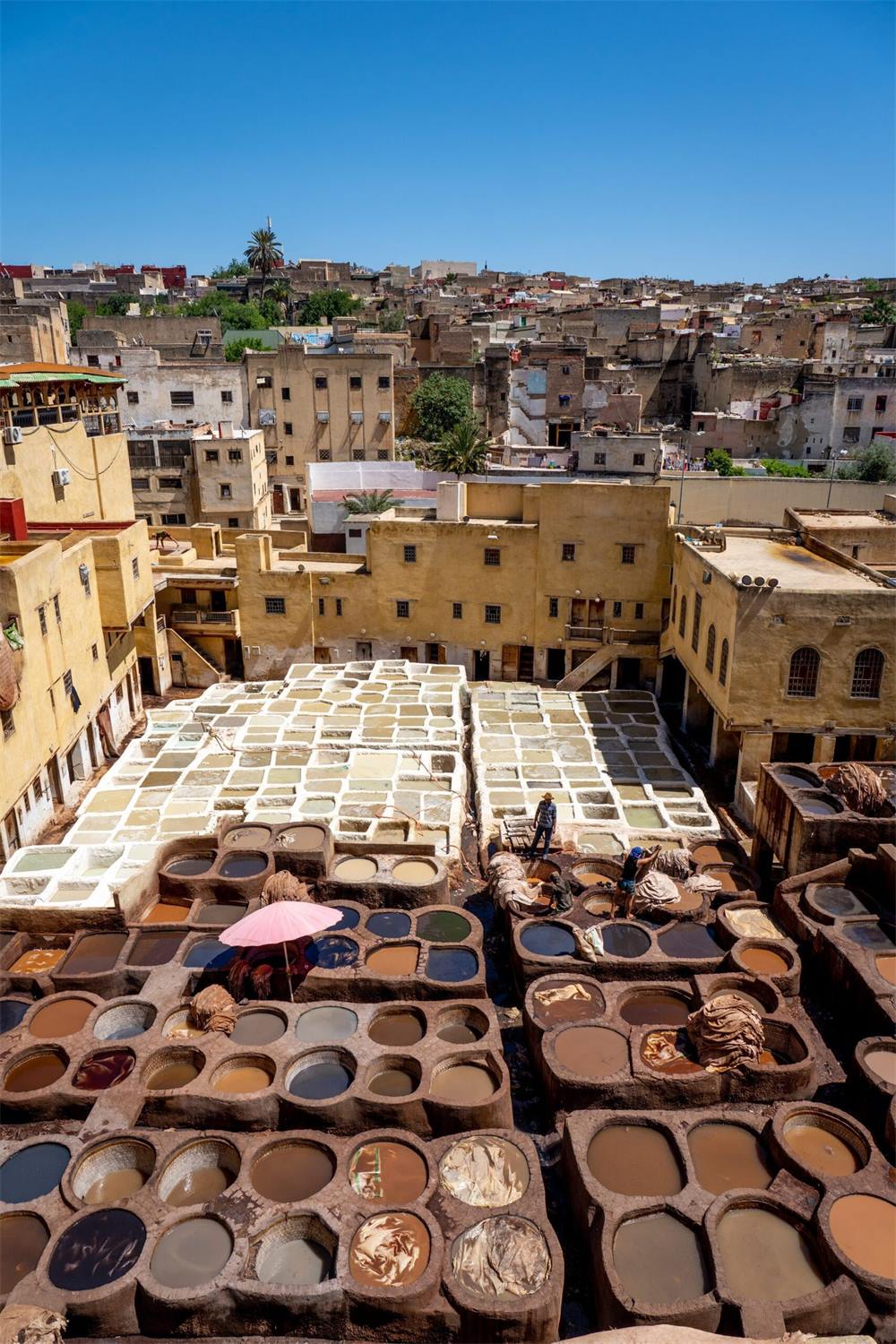
Tours from Fes
4 toursView all tours
Tours from Casablanca
4 toursView all toursTell us about your family trip
Send us your dates and who is travelling. We reply with a personal itinerary and a clear price – no obligation.